
Master the Skies with Expert Pilots and Iconic California Views
Quick Summary / Key Takeaways
- Aerobatic flights combine thrilling high-G maneuvers with unforgettable views of the Los Angeles skyline, coastline, and famous landmarks.
- Every flight is guided by experienced, certified pilots and supported by careful aircraft inspections and detailed safety briefings before takeoff.
- No prior flying experience is required. Many guests start with a discovery flight Los Angeles to experience the cockpit before trying aerobatic maneuvers.
- During the flight, you may experience classic maneuvers such as loops, rolls, hammerheads, and brief inverted flight under professional supervision.
- Between maneuvers, you can take in views of landmarks like the Hollywood Sign, Santa Monica Pier, Venice Beach, and the Pacific coastline from the sky.
Introduction

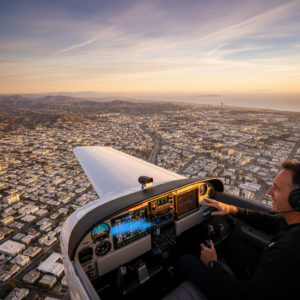
Imagine the Pacific coastline stretching beneath you as the aircraft banks over Santa Monica Pier and the city skyline opens up in every direction. The ocean glows to the west, the Hollywood Hills rise in the distance, and for a moment Los Angeles feels both massive and incredibly close. From the cockpit, the view becomes part of the experience, turning a simple flight into something far more vivid than anything you can see from the ground.
An aerobatic flight takes that view and adds a burst of adrenaline. With an experienced pilot guiding the aircraft, the flight may include classic maneuvers like loops, rolls, and steep climbs that create the thrilling sensation of positive and negative G-forces. Between those moments of excitement, the aircraft levels out so you can take in sweeping views of the coastline, the city grid, and landmarks that make a scenic flight Los Angeles so memorable.
In this guide, we will walk through what aerial acrobatics is really like, how the experience works, and what you can expect before stepping into the cockpit. If the idea of seeing Los Angeles from above while feeling the thrill of aerobatic flight sparks your curiosity, the team at Flyover LA offers guided experiences that bring this perspective of the city to life.
Aerobatic Maneuvers You May Experience Over Los Angeles
| Maneuver | Typical G-Force | Skill Level | What It Feels Like |
|---|---|---|---|
| Loop | ~3G to 4G | Beginner-friendly | Strong pressure pushing you into the seat as the aircraft climbs and circles vertically |
| Aileron Roll | Around 1G | Beginner-friendly | Smooth 360-degree rotation where the horizon spins around you |
| Hammerhead | Varies | Advanced | The aircraft climbs vertically, pauses, then pivots sharply before descending |
| Inverted Flight | Around −1G | Intermediate | A brief upside-down moment where you feel supported by the harness |
Example Aerobatic Flight Experiences in Los Angeles
| Experience Type | Approximate Flight Time | Experience Highlight | Ideal For |
|---|---|---|---|
| Introductory Aerobatic Flight | ~20–30 minutes | Gentle rolls and basic aerobatic maneuvers | First-time flyers |
| Scenic + Aerobatic Experience | ~30–40 minutes | Combination of aerobatics and scenic flight Los Angeles views | Guests who want thrill and sightseeing |
| Extended Aerobatic Session | ~45–60 minutes | More advanced maneuvers and longer time in the air | Adrenaline seekers |
| Discovery Flight Experience | ~30–40 minutes | Guided introduction to flying with optional maneuver demonstration | Future pilots or aviation enthusiasts |
Pre-Flight Checklist Before Your Aerobatic Experience
- Review the safety information that will be covered again during the pre-flight briefing.
- Secure loose items such as hats, scarves, or unsecured cameras before entering the cockpit.
- Stay hydrated and eat a light meal before your scheduled flight time.
- Check the weather forecast in case flight timing shifts due to changing conditions.
Post-Flight Checklist After Your Aerobatic Flight
- Debrief with the pilot and ask questions about the maneuvers you experienced.
- Review any available cockpit photos or flight footage if it was recorded.
- Take a moment to hydrate and relax after the excitement of the flight.
- Capture photos at the airfield or share the experience with friends and family.
Table of Contents
Section 1: UNDERSTANDING AERIAL ACROBATICS FLIGHTS IN LOS ANGELES
Section 2: SAFETY AND PILOT EXPERTISE BEHIND AEROBATIC FLIGHTS
Section 3: WHAT THE AEROBATIC FLIGHT EXPERIENCE FEELS LIKE
Frequently Asked Questions
Section 1: UNDERSTANDING AERIAL ACROBATICS FLIGHTS IN LOS ANGELES
FAQ 1: What exactly is aerial acrobatics?
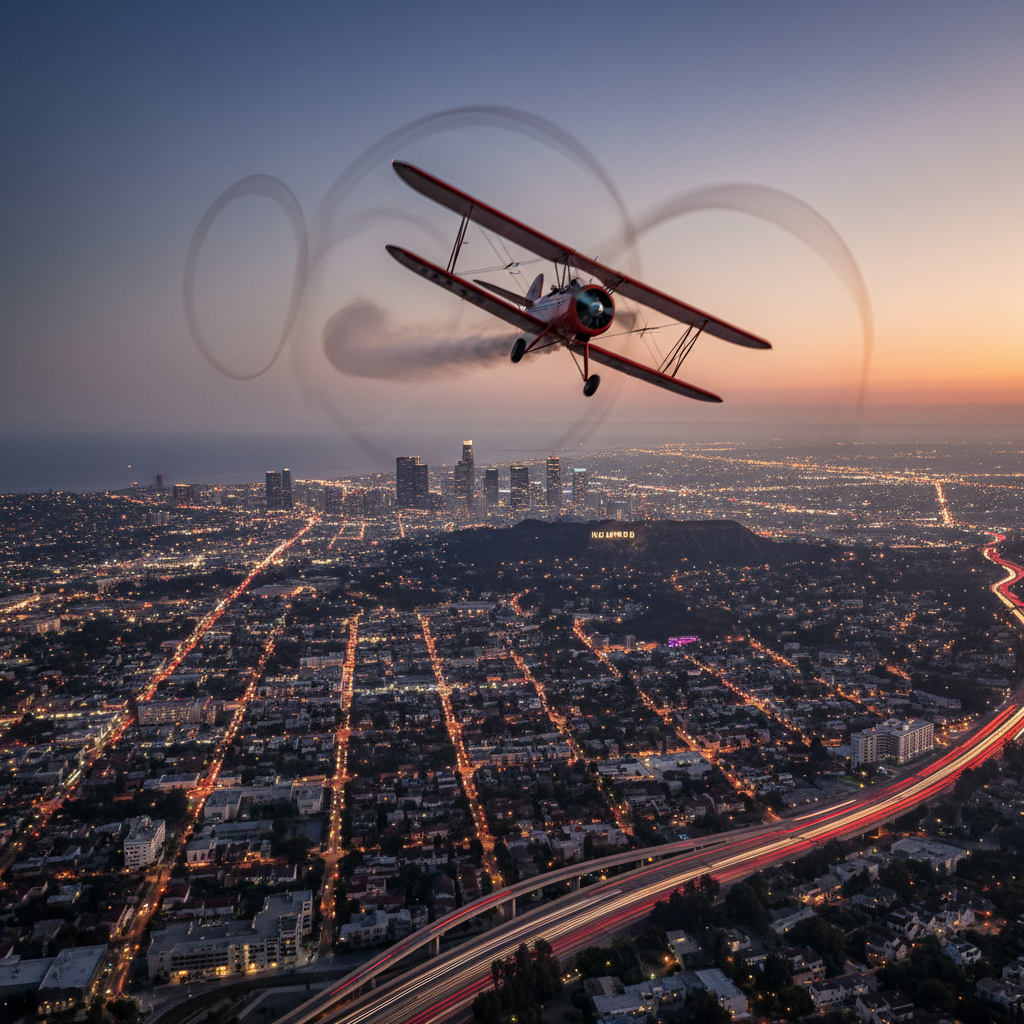
Aerial acrobatics refers to controlled flight maneuvers such as loops, rolls, hammerheads, and inverted flight performed by specially trained pilots in aircraft designed for aerobatic performance. During the Aerobatics Over LA, these maneuvers take place in the legendary Pitts S-2B biplane, a purpose-built stunt aircraft known for its agility and fast roll rate. Instead of cruising in straight and level flight like a typical airplane tour Los Angeles, aerobatic flying moves through vertical climbs, tight pivots, and upside-down passes that showcase the full range of what an aircraft can do.
Passengers feel the physical side of these maneuvers as well. During climbs and loops you may feel strong positive G-forces pressing you into the seat, followed by brief moments of lightness as the aircraft transitions into the next maneuver. With a certified aerobatic pilot controlling the aircraft, the experience becomes a carefully choreographed sequence of motion that blends adrenaline, precision flying, and sweeping views of Los Angeles from above.
FAQ 2: Do I need a pilot license to try it?
No, you do not need a pilot license or any prior flying experience to try an aerobatic flight in Los Angeles. The flight is conducted with a certified aerobatic pilot who operates the aircraft and performs the maneuvers, allowing you to focus entirely on the experience. In an Aerobatics Over LA flight, you ride in the front seat of a Pitts S-2B biplane, a purpose-built aerobatic aircraft known for its agility and performance.
Before departure, you receive a safety briefing and cockpit orientation so you know what to expect during the flight. The pilot manages all takeoffs, landings, and aerobatic maneuvers such as loops, rolls, and inverted flight while guiding you through the experience.
FAQ 3: Is there an age limit for passengers?
Most aerobatic flight experiences require passengers to be at least in their early teens, typically around 12 to 14 years old, with parental consent for minors. There is generally no strict upper age limit as long as the participant is in good health and able to safely fit in the cockpit and harness system of the Pitts S-2B biplane used for aerobatic flights.
Because the aircraft uses a snug tandem cockpit and racing-style safety harness, the most important requirement is that passengers can comfortably and securely fit in the seat during maneuvers such as loops, rolls, and inverted flight. If you are unsure about age or size requirements, it is always best to confirm ahead of time before booking an Aerobatics Over LA experience.
Section 2: SAFETY AND PILOT EXPERTISE BEHIND AEROBATIC FLIGHTS
FAQ 4: How safe is aerobatic flight compared to commercial flying?
Aerobatic flight is designed to be safe when performed by certified pilots using aircraft built specifically for aerobatic maneuvers. Aircraft such as the Pitts S-2B are engineered to handle the strong G-forces created during loops, rolls, and vertical climbs, which is very different from the steady, straight flight used in commercial travel. During an Aerobatics Over LA experience, every maneuver is performed intentionally within safe operating limits, and the flight begins with a safety briefing and equipment check before departure.
Professional aerobatic pilots also follow strict inspection routines and aircraft maintenance schedules before every flight. While the experience feels dramatic and fast-paced, it is carefully controlled by trained pilots who understand how to manage the aircraft and the environment throughout the entire flight, which is how our team keeps the experience both thrilling and safe.

FAQ 5: What kind of training do the pilots undergo?
Aerobatic pilots complete extensive training beyond a standard pilot license in order to safely perform advanced maneuvers. In addition to earning their pilot certifications, they train specifically in aerobatic maneuvering, unusual attitude recovery, and G-force management, all of which are required when flying high-performance aircraft such as the Pitts S-2B used for aerobatic flights. This training allows pilots to execute loops, rolls, hammerheads, and inverted flight with precise control.
Because aerobatic flying demands a high level of skill and awareness, pilots also log many hours practicing these maneuvers and learning how to manage the aircraft safely in changing flight conditions. That experience ensures the pilot guiding the flight can maintain full control of the aircraft while delivering the exciting aerobatic experience our guests expect.
FAQ 6: What happens if the engine stalls during a maneuver?
If the engine stops producing power during flight, the aircraft can still glide safely while the pilot manages the situation. Aircraft used for aerobatic experiences, including the Pitts S-2B, can be flown without engine power long enough for a trained pilot to control the descent and guide the aircraft toward a safe landing area. This type of situation is part of standard pilot training, and aerobatic pilots practice handling power-loss scenarios so they are prepared to respond calmly and correctly.
During aerobatic flights, the pilot also plans the route carefully and stays within range of suitable landing areas. This planning, combined with training in emergency procedures and regular aircraft inspections, helps ensure the experience remains professionally managed from start to finish.
FAQ 7: Are parachutes required for these flights?
Yes. Federal aviation regulations require everyone on board to wear a parachute during intentional aerobatic maneuvers. This rule applies to professional aerobatic flights and adds an extra layer of safety while performing movements such as loops, rolls, and inverted flight. Before departure, you will receive a full safety briefing explaining how the harness and parachute system works so you are comfortable and prepared before the flight begins.
While parachutes are a standard precaution, the focus remains on careful planning, aircraft maintenance, and experienced pilot control. Every maneuver is conducted within safe operating limits so guests can focus on the excitement of the experience while knowing the proper safety measures are in place.
Section 3: WHAT THE AEROBATIC FLIGHT EXPERIENCE FEELS LIKE
FAQ 8: What does pulling Gs actually feel like?
Pulling Gs creates a strong but controlled pressure that pushes your body into the seat as the aircraft changes direction in the sky. During positive G-forces, your body can feel two to six times heavier than normal depending on the maneuver, which is why many guests say it feels like an intense roller coaster. When the aircraft transitions into negative Gs during certain maneuvers, the sensation reverses and you may briefly feel light or almost weightless against your harness.
During an aerobatic flight in Los Angeles, these G-forces happen during movements like loops, rolls, and vertical climbs. The experience is powerful but brief, and the maneuvers are carefully managed by the pilot so guests can enjoy the thrill while still taking in views of the city and coastline during the flight.